Existential Crisis: Will AI Replace Human Creativity?
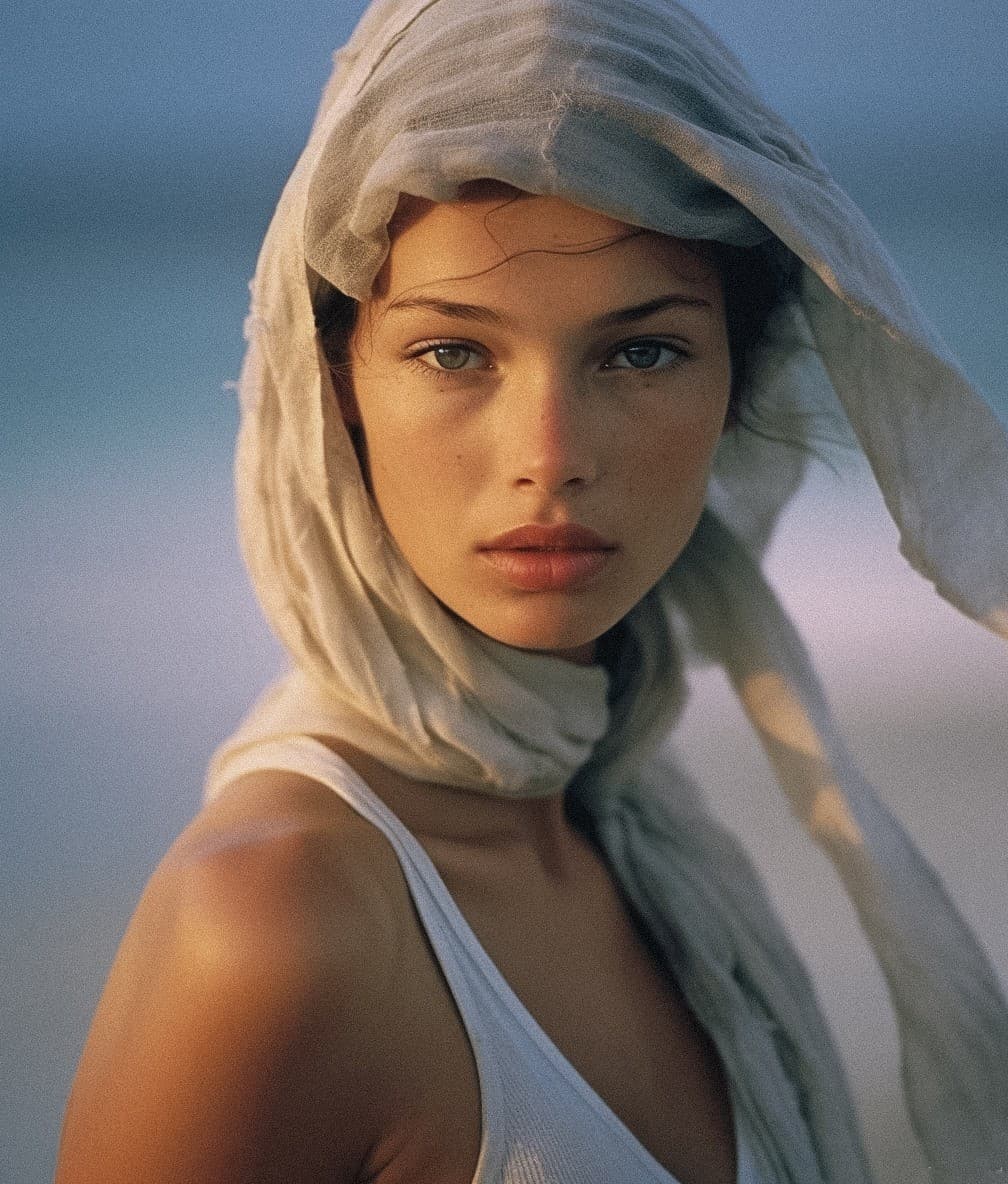
I remember the first time I saw an AI-generated fashion campaign. It was 2022, and a colleague forwarded me an email with the subject line: "This isn't real." The images showed models in impossibly perfect settings wearing a new collection from a mid-tier brand. The lighting was flawless, the composition impeccable. And none of it—not the models, not the location—actually existed. My stomach dropped. As someone who'd spent fifteen years in fashion photography, I couldn't help but wonder: Is this the beginning of the end?
This existential question has become increasingly pressing as artificial intelligence continues to advance at an unprecedented pace. The fashion industry, traditionally built on human creativity and craftsmanship, now finds itself at a crossroads where AI tools can generate stunning visuals, design patterns, and even predict trends. But does this technological revolution signal the replacement of human creativity, or is there a more nuanced reality emerging?

The Creative Landscape in Flux
Let's address the elephant in the room: AI fashion tools are creating imagery that would have been unimaginable just a few years ago. Brands can now generate campaign-quality visuals without booking studios, flying teams to exotic locations, or spending days in post-production. AI fashion photography has democratized access to high-end visual content, allowing smaller brands to compete visually with industry giants.
During a recent project with a luxury accessories brand, we created 200 campaign images in just three days—a process that would have traditionally required weeks of planning, multiple shoot days, and a six-figure budget. The AI-generated fashion campaign not only saved time and resources but allowed for creative iterations that would have been logistically impossible in a traditional setting.
This efficiency has sparked legitimate concerns among fashion photographers, models, and creative directors. If AI can produce fashion imagery at a fraction of the cost and time, what happens to the humans who've built careers in these fields?
The Human Element: What AI Cannot Replicate
After working with AI fashion technology for the past three years, I've come to a conclusion that might surprise those in the midst of a creative existential crisis: AI isn't replacing human creativity—it's transforming how that creativity is expressed and applied.
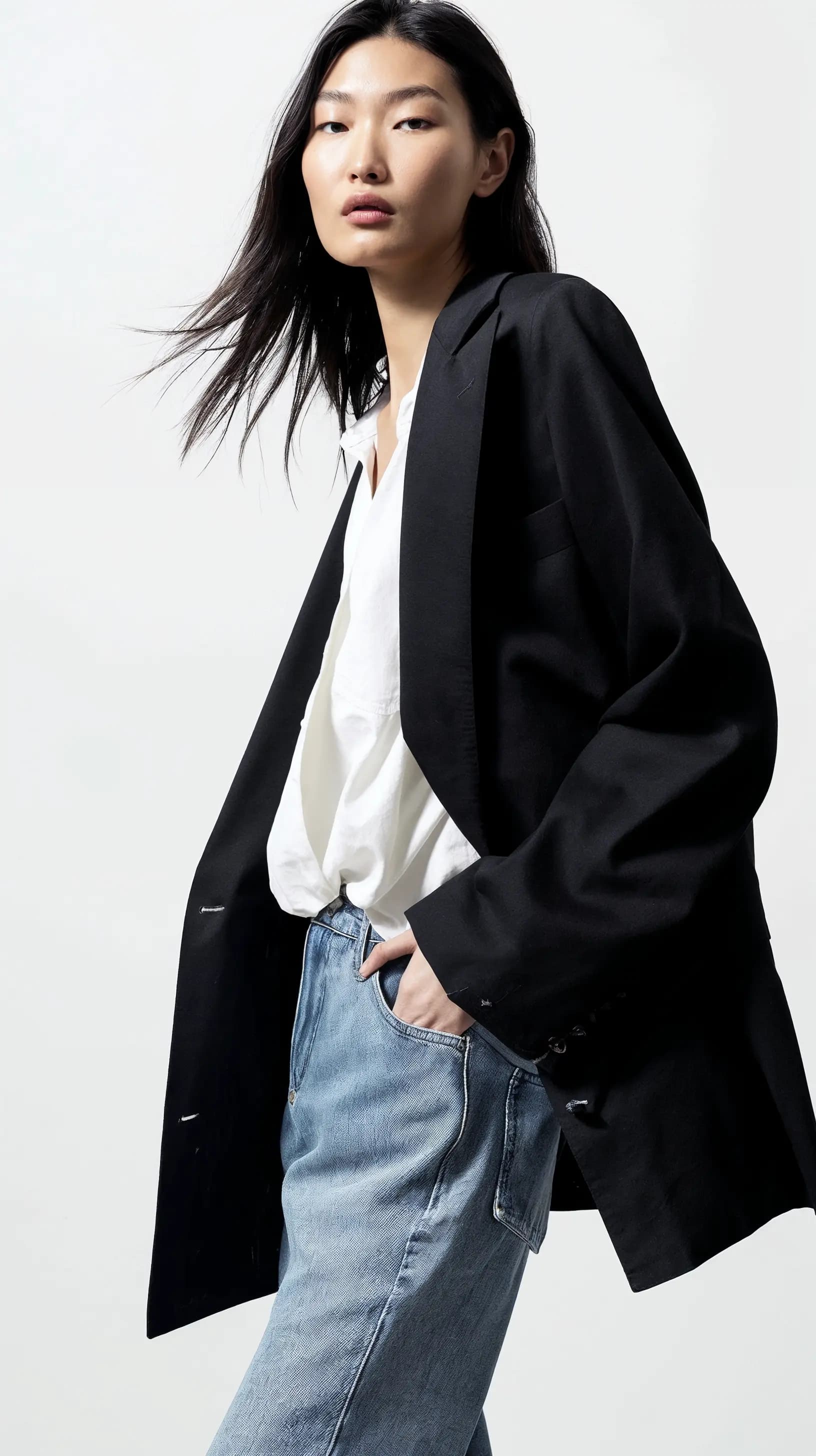
Consider what happened when we partnered with a heritage fashion house to create an AI-powered campaign. The technology could generate flawless images, but it couldn't understand the brand's 80-year legacy, the cultural significance of their iconic designs, or the emotional connection their customers felt with their products. These elements required human insight—a creative director who understood the brand's soul and could guide the AI to reflect that essence.
AI fashion models can wear clothing perfectly, but they can't bring the lived experience, personality, and subtle human qualities that make fashion imagery resonate on a deeper level. The most successful AI fashion campaigns we've produced have been those where human creatives provided the strategic vision, emotional intelligence, and cultural context that AI simply cannot grasp.
The New Creative Partnership
What's emerging isn't replacement but transformation. The fashion creatives who are thriving in this new landscape aren't fighting against AI—they're forming a new kind of creative partnership with it. They're leveraging AI fashion technology as a powerful tool that handles execution while they focus on the uniquely human elements of creativity: concept development, emotional storytelling, cultural relevance, and brand authenticity.
I recently spoke with a fashion photographer who initially feared AI would end her career. Instead, she's now directing AI fashion shoots, bringing her eye for composition, lighting, and mood to the process while the AI handles the technical execution. "I'm creating more than ever," she told me, "but my role has evolved. I'm focusing on the creative direction rather than the technical aspects of photography."
This evolution mirrors historical patterns we've seen with previous technological revolutions. When digital photography emerged, many film photographers feared the end of their profession. Instead, photography became more accessible and widespread, creating new opportunities for those who adapted their skills to the new medium.
The Creativity Spectrum: Where Humans Excel
Through our work with fashion brands implementing AI technology, we've identified several areas where human creativity remains irreplaceable:
Cultural Understanding: Humans intuitively grasp cultural nuances, sensitivities, and contexts that AI models often miss. This understanding is crucial for creating fashion imagery that resonates authentically with diverse audiences.
Emotional Intelligence: The ability to evoke specific emotions through visual storytelling remains a distinctly human skill. The most powerful fashion campaigns connect emotionally, not just aesthetically.
Brand Intuition: Understanding a brand's essence beyond its visual style guide—its values, voice, and vision—requires human intuition and experience that AI cannot replicate.
Conceptual Innovation: Truly groundbreaking creative concepts still originate from human minds that can make unexpected connections and challenge conventions in ways AI cannot.
Navigating the Future of Fashion Creativity
For fashion professionals concerned about AI's impact on creativity, I offer this perspective based on our experience working at the intersection of AI and fashion:
Embrace the Tool, Elevate Your Role: The most successful creatives in the AI era are those who view the technology as a powerful tool that frees them to focus on higher-level creative direction. Rather than competing with AI on execution, they're elevating their role to focus on strategy and vision.
Develop Hybrid Skills: The future belongs to those who can bridge the human-AI divide, combining traditional creative expertise with an understanding of AI capabilities and limitations. This hybrid skill set is increasingly valuable in the fashion industry.
Focus on the Human Element: Double down on the aspects of creativity that remain uniquely human—emotional intelligence, cultural awareness, conceptual thinking, and authentic storytelling.

Conclusion: A New Creative Renaissance
The existential question "Will AI replace human creativity?" ultimately misframes the relationship between technology and human creative potential. Throughout history, new tools haven't eliminated creativity—they've transformed how creativity is expressed and opened new possibilities for creative exploration.
What we're witnessing isn't the end of human creativity in fashion but the beginning of a new creative renaissance where AI handles routine execution while human creatives focus on the aspects of creativity that require emotional intelligence, cultural understanding, and conceptual innovation.
The fashion brands and creative professionals who will thrive in this new landscape are those who move beyond the false dichotomy of "human versus AI" and instead embrace the powerful creative partnership that emerges when human vision guides technological execution. In this partnership, we don't lose our creative soul—we free it to focus on what makes us uniquely human.
That realization has transformed my own existential crisis into excitement about the creative possibilities ahead. The future of fashion creativity isn't either human or artificial—it's beautifully, powerfully both.