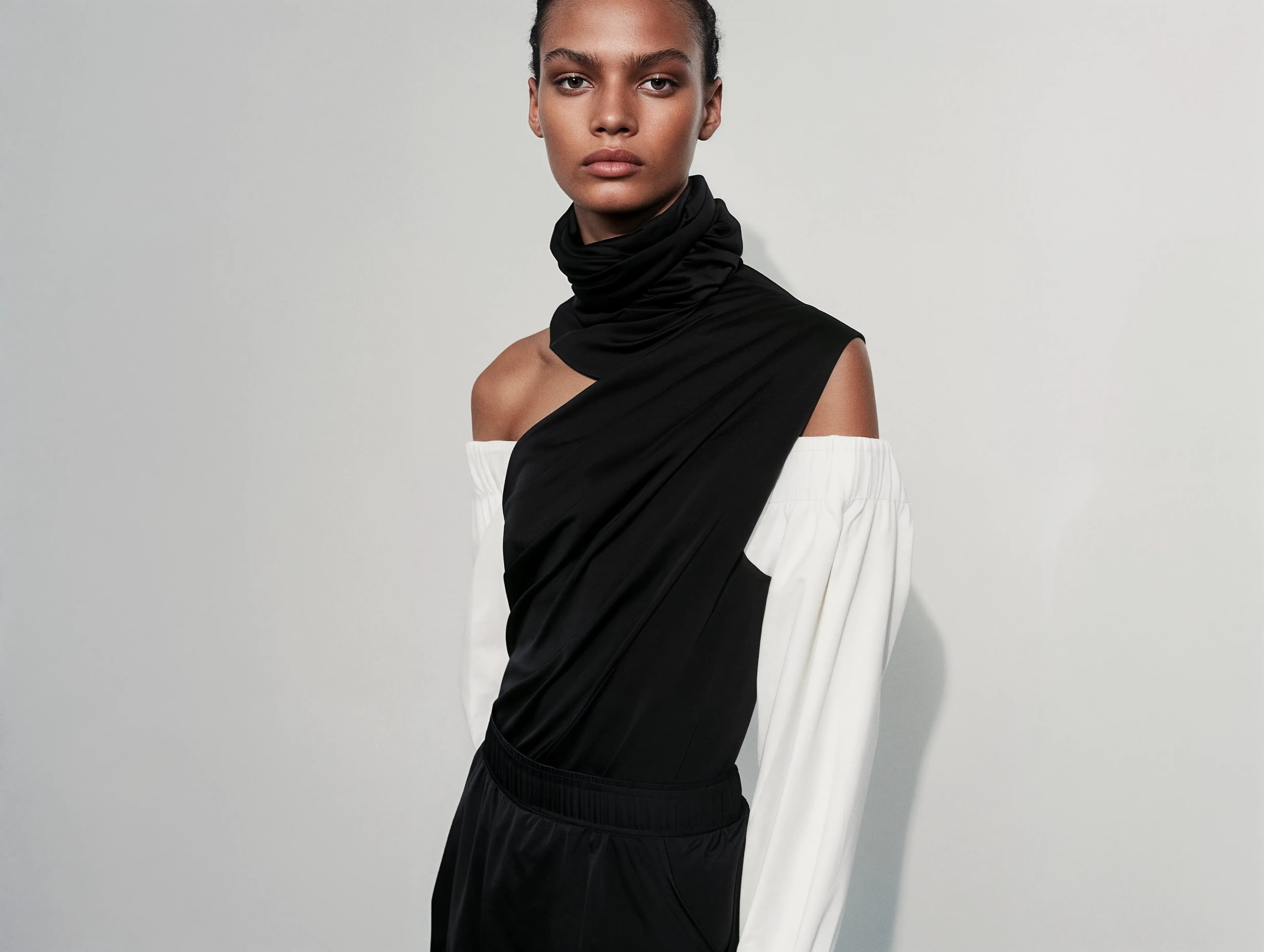
Cost Analysis: Traditional vs. AI Fashion Shoots
"How much will this actually save us?" It's the question I hear most frequently when brands first inquire about AI fashion photography. After spending fifteen years producing traditional fashion campaigns and the last three pioneering AI-generated alternatives, I've developed a nuanced understanding of the true costs, savings, and value propositions of both approaches.
The answer isn't as simple as a single percentage or dollar figure. The economics of fashion imagery—whether created traditionally or with AI—involve numerous variables and considerations beyond the bottom line. This analysis breaks down the real costs, hidden expenses, and long-term value propositions of both traditional and AI-powered fashion shoots based on our experience working with brands across the spectrum.

The True Cost of Traditional Fashion Photography
To understand the potential savings of AI fashion imagery, we first need to establish a clear picture of what traditional fashion shoots actually cost. Having produced campaigns for brands ranging from direct-to-consumer startups to global luxury houses, I've seen firsthand how these expenses can vary dramatically based on brand positioning, campaign scope, and production values.
For a mid-tier fashion brand producing a seasonal campaign, here's a realistic breakdown of costs for a one-day shoot aiming to capture 15-20 final images:
- Photographer fee: $3,000-$8,000 (varies widely based on experience and reputation)
- Models: $2,000-$5,000 per model (typically 1-3 models)
- Location rental: $1,500-$5,000
- Styling: $1,000-$2,500 (stylist fee plus potential garment rentals)
- Hair and makeup: $1,000-$2,500
- Production assistant/digital tech: $500-$1,500
- Equipment rental: $500-$2,000
- Catering/craft services: $500-$1,000
- Post-production/retouching: $1,500-$4,000
- Production management: $2,000-$5,000
This brings the total to approximately $15,000-$40,000 for a single day of shooting—and that's before considering potential travel expenses, accommodation for team members, sample shipping, or insurance costs. For luxury brands shooting with celebrity photographers or models, these figures can easily double or triple.
Beyond these direct costs, traditional shoots involve significant hidden expenses that rarely appear on production budgets:
- Time investment: Weeks of pre-production planning, casting, location scouting, and approvals
- Opportunity cost: Creative directors and brand teams spending days away from other responsibilities
- Risk factors: Weather issues for outdoor shoots, potential reshoot costs if results don't meet expectations
- Environmental impact: Carbon footprint from travel, shipping, and single-use set materials
The Economics of AI Fashion Photography
In contrast, AI-generated fashion imagery operates on a fundamentally different cost structure. Rather than the day-rate model of traditional photography, AI fashion shoots typically follow a project-based or image-based pricing approach. Based on our work with dozens of brands, here's what you can expect:
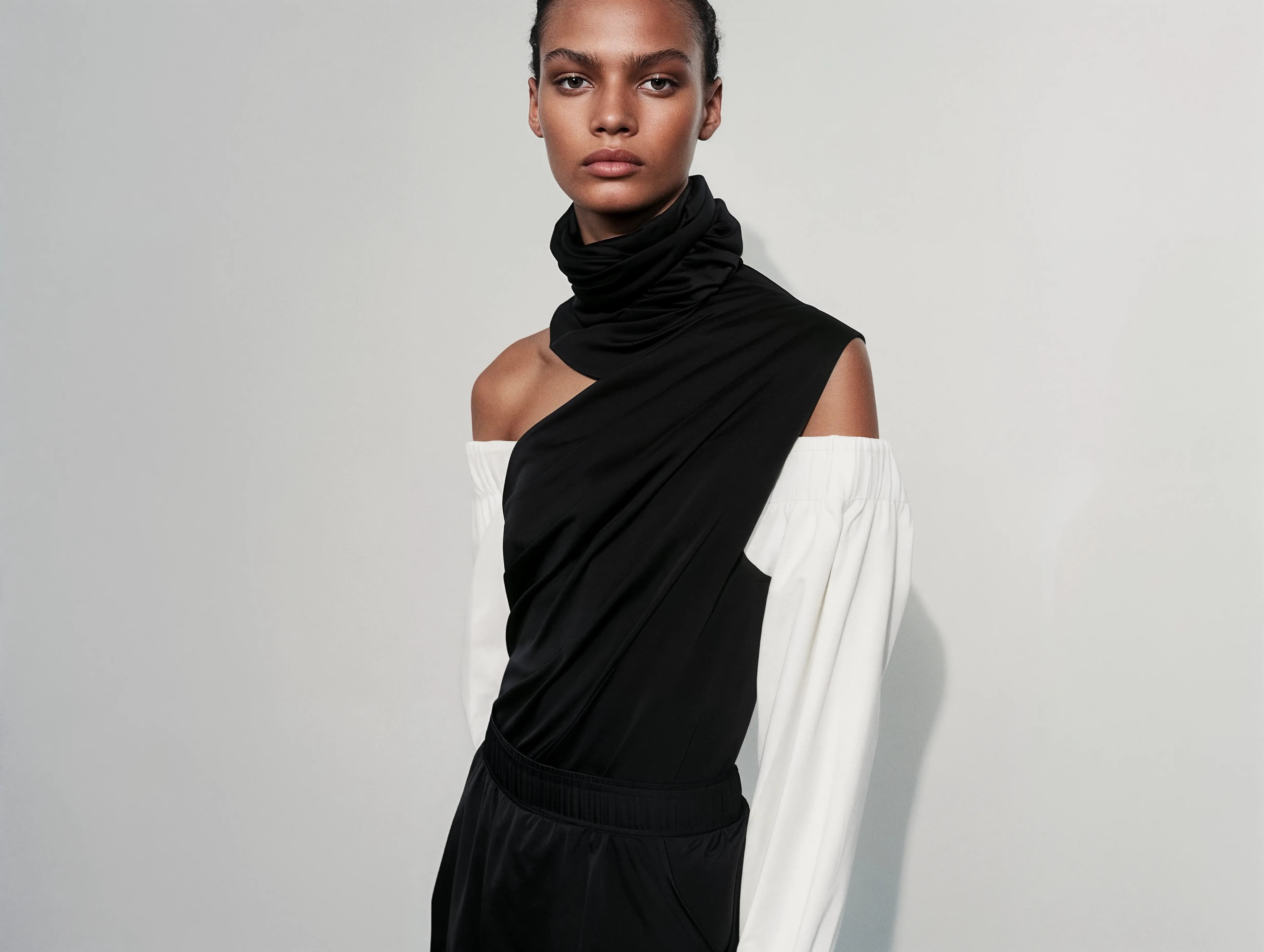
For a comparable campaign producing 15-20 high-quality fashion images, AI production costs typically include:
- AI technology platform fees: $2,000-$6,000 (varies based on image volume and complexity)
- Creative direction: $1,500-$4,000 (for concept development and AI prompt engineering)
- Product photography: $1,000-$3,000 (capturing clean product images for AI integration)
- Post-production/refinement: $1,000-$3,000
- Project management: $1,000-$2,500
This brings the total to approximately $6,500-$18,500—representing a 50-60% cost reduction compared to traditional photography for similar output volume. For larger projects, the economics become even more favorable due to the scalability of AI technology.
A contemporary womenswear brand we worked with recently compared their previous season's traditional campaign (18 final images for $32,000) with an AI-generated campaign (42 final images for $17,500). Not only did they reduce costs by 45%, but they more than doubled their content volume, dramatically reducing their cost-per-image from approximately $1,800 to $415.
Beyond Direct Cost Comparison: The Value Proposition
While the direct cost savings of AI fashion photography are compelling, the full economic picture includes several additional value factors that brands should consider:
Content Volume and Versatility
Perhaps the most significant economic advantage of AI fashion imagery isn't the per-project savings but the ability to produce substantially more content within the same budget. This volume advantage creates cascading benefits across marketing channels.
A luxury accessories brand we partnered with previously allocated $120,000 annually for four seasonal photoshoots producing approximately 60 campaign images. By transitioning to AI fashion photography, they maintained a similar budget but increased their output to over 200 images, allowing them to:
- Create channel-specific content optimized for different platforms
- Test multiple creative concepts rather than committing to a single approach
- Maintain a consistent content calendar without content gaps
- Develop market-specific variations tailored to different regions

Speed and Time-to-Market
The compressed production timeline of AI fashion imagery—typically 5-10 days from concept to final delivery compared to 4-8 weeks for traditional campaigns—creates significant economic value through improved market responsiveness.
A direct-to-consumer fashion brand we work with calculated that reducing their campaign production time by six weeks allowed them to respond to trend shifts more effectively, resulting in a 22% improvement in conversion rates and reduced inventory risk. While difficult to quantify precisely, this agility represents substantial economic value beyond direct production savings.
Iteration and Testing Capabilities
Traditional fashion photography requires committing to creative decisions upfront, with limited ability to change direction once production begins. AI fashion imagery allows for rapid iteration and testing of multiple concepts, backgrounds, styling options, and model characteristics.
A contemporary menswear brand leveraged this flexibility to test three distinct campaign concepts simultaneously, identifying a clear performance winner before full campaign rollout. This testing capability reduced their advertising spend waste by approximately 30% compared to previous seasons when they had to commit to a single creative direction.
When Traditional Photography Remains Economically Advantageous
Despite the compelling economics of AI fashion imagery, there are scenarios where traditional photography remains the more cost-effective approach:
- Celebrity and influencer campaigns: When the value proposition centers on the authentic presence of a specific person
- Highly technical products: Items with complex materials, unique movement properties, or intricate details that current AI technology struggles to render accurately
- Brand authenticity requirements: For brands whose identity is intrinsically linked to traditional craft and authenticity
- Very small-scale needs: For brands requiring only 1-3 images, the setup costs of AI may not be justified
Many brands are finding that a hybrid approach—using traditional photography for key campaign images and AI for extended content needs—offers the optimal economic balance.

Long-Term Economic Considerations
Beyond immediate project costs, brands should consider several long-term economic factors when evaluating AI versus traditional fashion photography:
Technology Investment Curve
AI fashion technology is advancing rapidly, with quality improving and costs decreasing over time. Brands that invest in understanding and implementing these tools now are positioning themselves advantageously on this curve. Early adopters we've worked with have developed valuable institutional knowledge about effective AI direction, allowing them to achieve increasingly better results at lower costs with each project.
Content Lifecycle Value
The ability to generate variations of existing AI fashion imagery at minimal incremental cost extends the lifecycle value of the initial investment. A luxury brand we partner with regularly refreshes successful campaign concepts with seasonal color updates, effectively amortizing their creative development costs across multiple seasons.
Team Structure and Capabilities
Transitioning to AI fashion imagery often allows brands to reallocate resources from production management to creative strategy. Several clients have restructured their teams to reduce production coordination roles while investing in creative direction capabilities, resulting in both cost savings and strategic advantages.
Conclusion: Economic Decision Framework
After analyzing dozens of fashion campaigns across both traditional and AI approaches, we've developed a framework to help brands make economically sound decisions about their visual content production:
- Assess content volume needs: AI becomes increasingly economically advantageous as volume requirements increase
- Evaluate speed requirements: Faster time-to-market needs favor AI approaches
- Consider product complexity: Highly technical or unique material properties may still favor traditional photography
- Analyze testing needs: Greater need for concept testing and iteration favors AI
- Calculate total economic value: Look beyond production costs to include time savings, increased content volume, and market responsiveness
The most sophisticated brands are moving beyond simplistic cost comparisons to develop nuanced strategies that leverage both traditional and AI approaches based on specific campaign objectives, content needs, and economic considerations.
As the fashion director for a contemporary brand recently told me after reviewing their annual content economics: "We're not choosing AI because it's cheaper. We're choosing it because it gives us more creative possibilities within our budget. That's a completely different value proposition."
That insight captures the true economic story of AI fashion photography—it's not simply about cost reduction, but about expanding creative possibilities within existing budget constraints. For brands navigating an increasingly content-hungry market, that value proposition is becoming impossible to ignore.