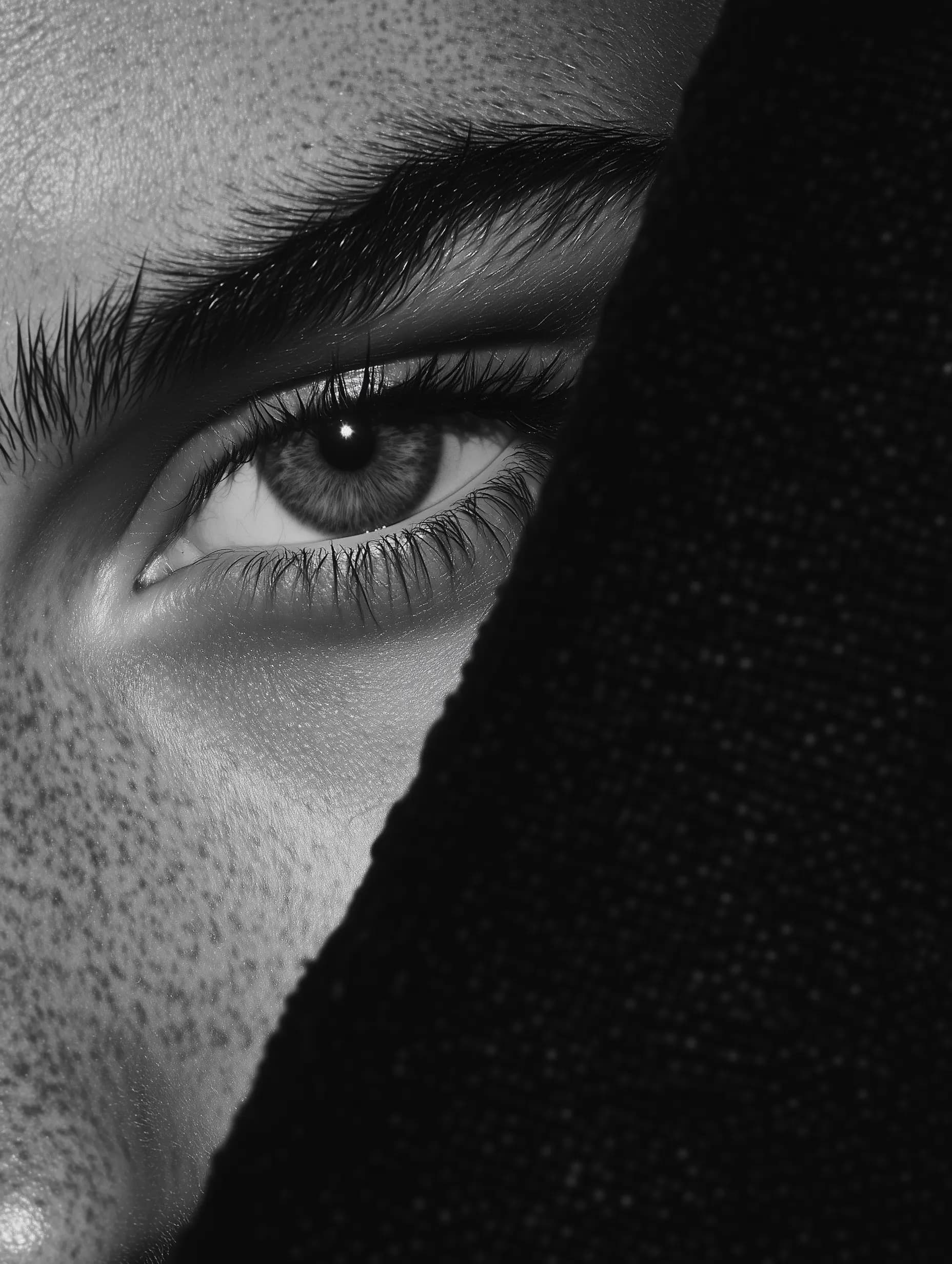
AI Fashion Photography: A Complete Guide for Brands in 2025
The fashion industry is experiencing a revolutionary transformation through AI-generated visual content. What once required extensive resources—professional photographers, models, studios, and post-production teams—can now be achieved with sophisticated AI technology and creative direction. This comprehensive guide explores how brands can leverage AI fashion photography to create stunning campaigns, e-commerce imagery, and marketing content.
Understanding AI Fashion Photography
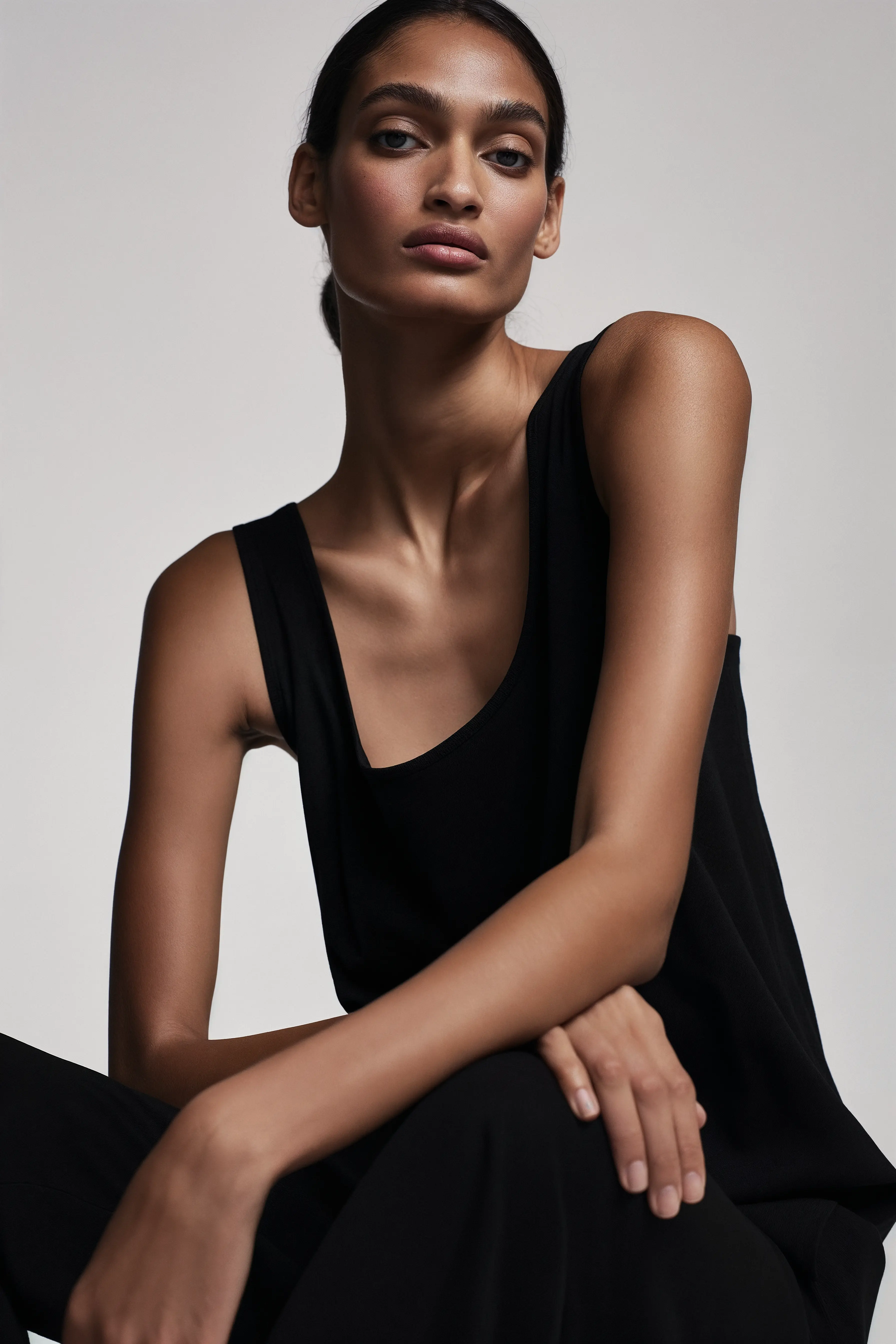
AI fashion photography uses generative artificial intelligence to create photorealistic images of clothing and accessories on virtual models. Unlike traditional photography, AI-generated fashion imagery doesn't require physical photoshoots, instead using product images and creative direction to generate sophisticated visual content that rivals traditional photography in quality and impact.
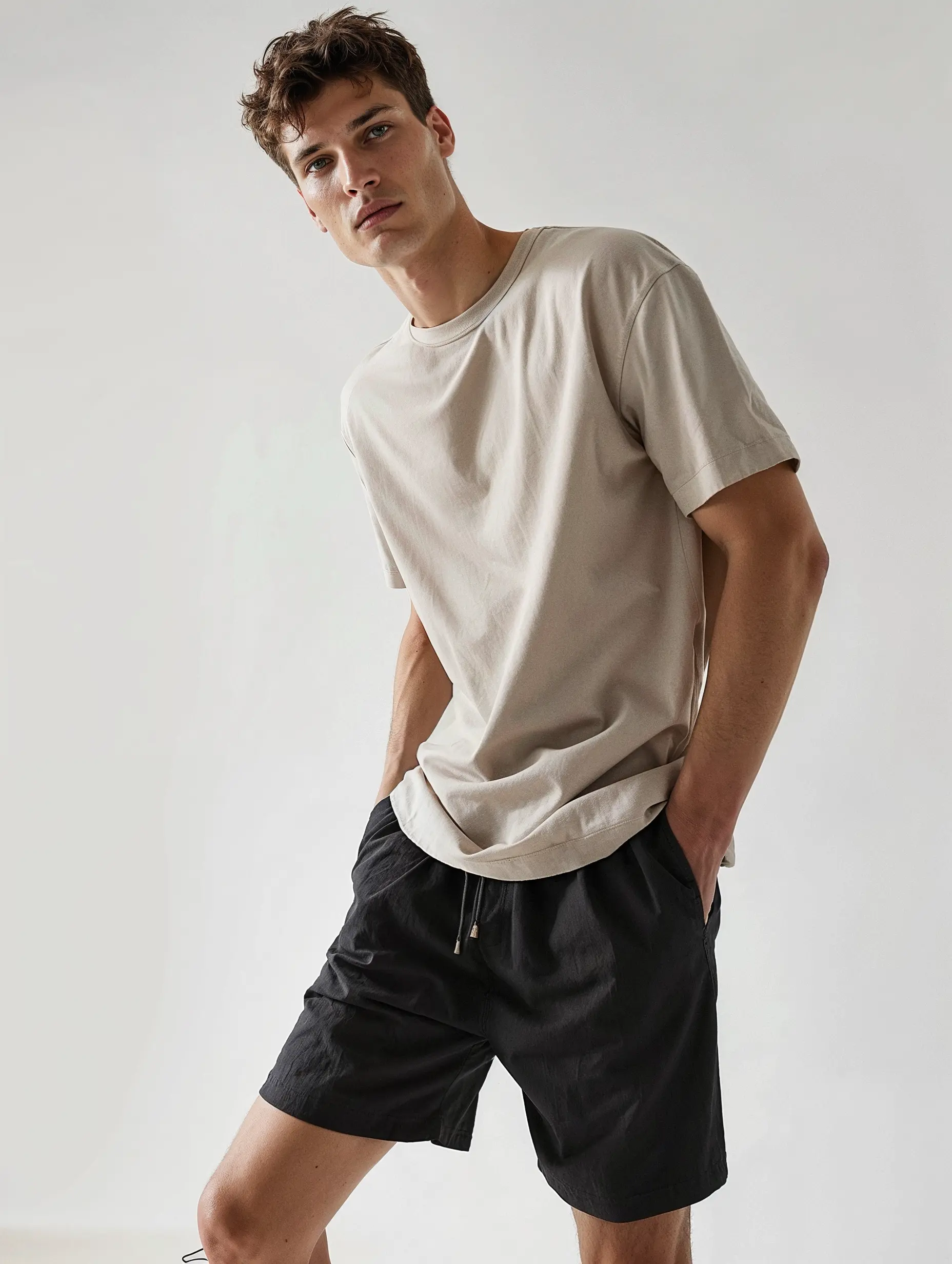
Key Benefits for Fashion Brands
Cost Efficiency: AI fashion shoots eliminate expenses associated with traditional photography—studio rentals, model fees, photographer costs, and travel expenses. This democratizes high-quality fashion imagery, making it accessible to brands of all sizes.
Speed and Scalability: While traditional photoshoots might take weeks to plan and execute, AI can generate hundreds of campaign-quality images in days. This allows brands to rapidly produce content for multiple channels, seasons, and markets.
Creative Freedom: AI removes physical limitations, enabling brands to visualize products in impossible settings, with diverse models, or in conceptual environments that would be prohibitively expensive to create physically.
Consistency: AI ensures visual consistency across large product catalogs, maintaining identical lighting, styling, and presentation—something challenging to achieve in traditional photography.
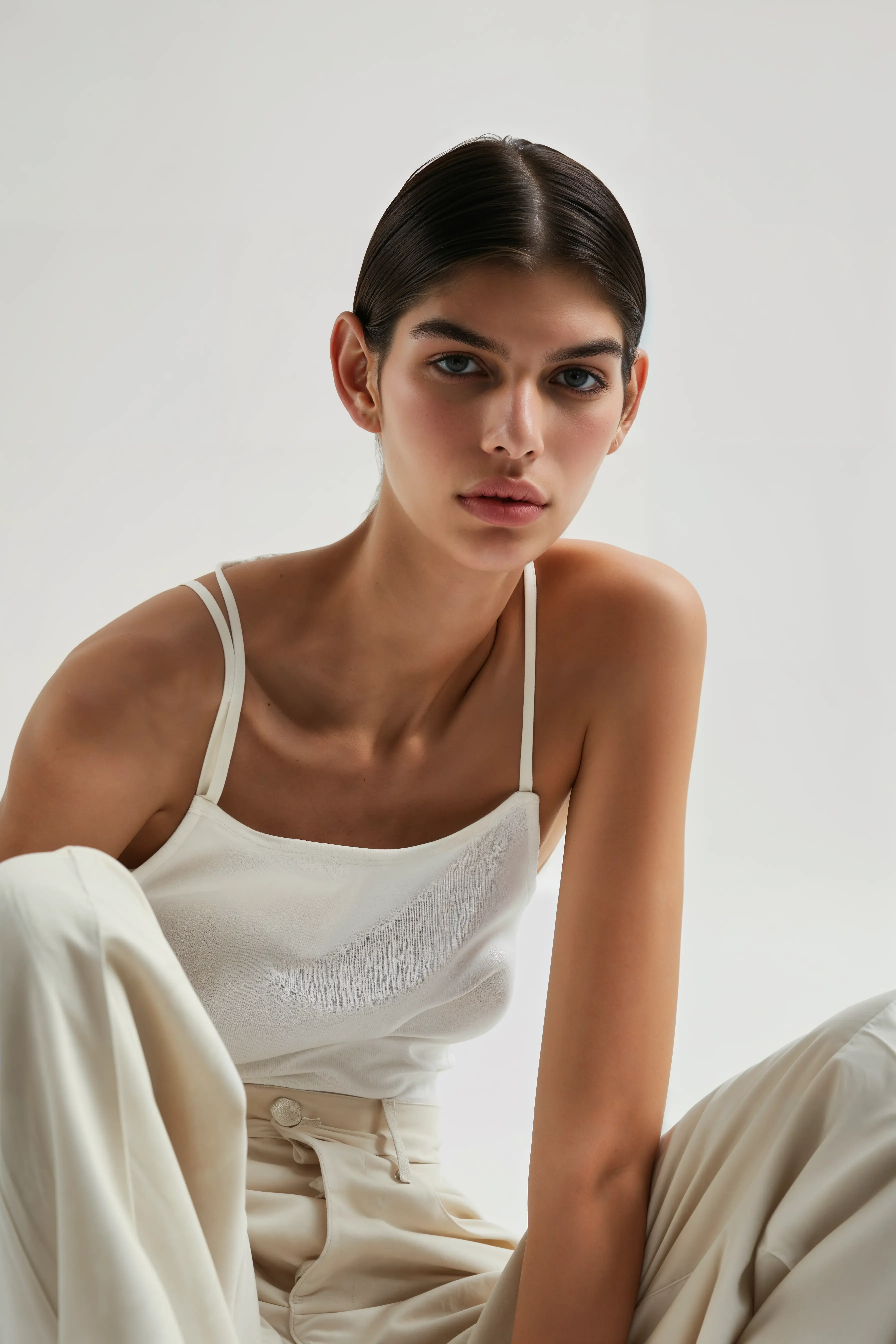
Implementation: How Fashion Brands Can Adopt AI Photography
Product Photography Preparation: The foundation of successful AI fashion imagery is high-quality product photography. Brands should capture clean, well-lit images of garments, ideally on mannequins or flat lays with transparent backgrounds.
Creative Direction: Despite automation, human creative direction remains essential. Brands must develop clear creative briefs specifying desired aesthetics, model characteristics, environments, and styling to guide the AI generation process.
Custom AI Model Development: For optimal results, brands should invest in custom-trained AI models that understand their specific aesthetic and can consistently produce on-brand imagery. Generic AI tools often lack the sophistication needed for high-fashion applications.
Integration with Existing Workflows: AI fashion photography works best when integrated into existing creative processes, complementing rather than replacing human expertise. Creative directors, stylists, and retouchers still play crucial roles in refining and perfecting AI-generated content.
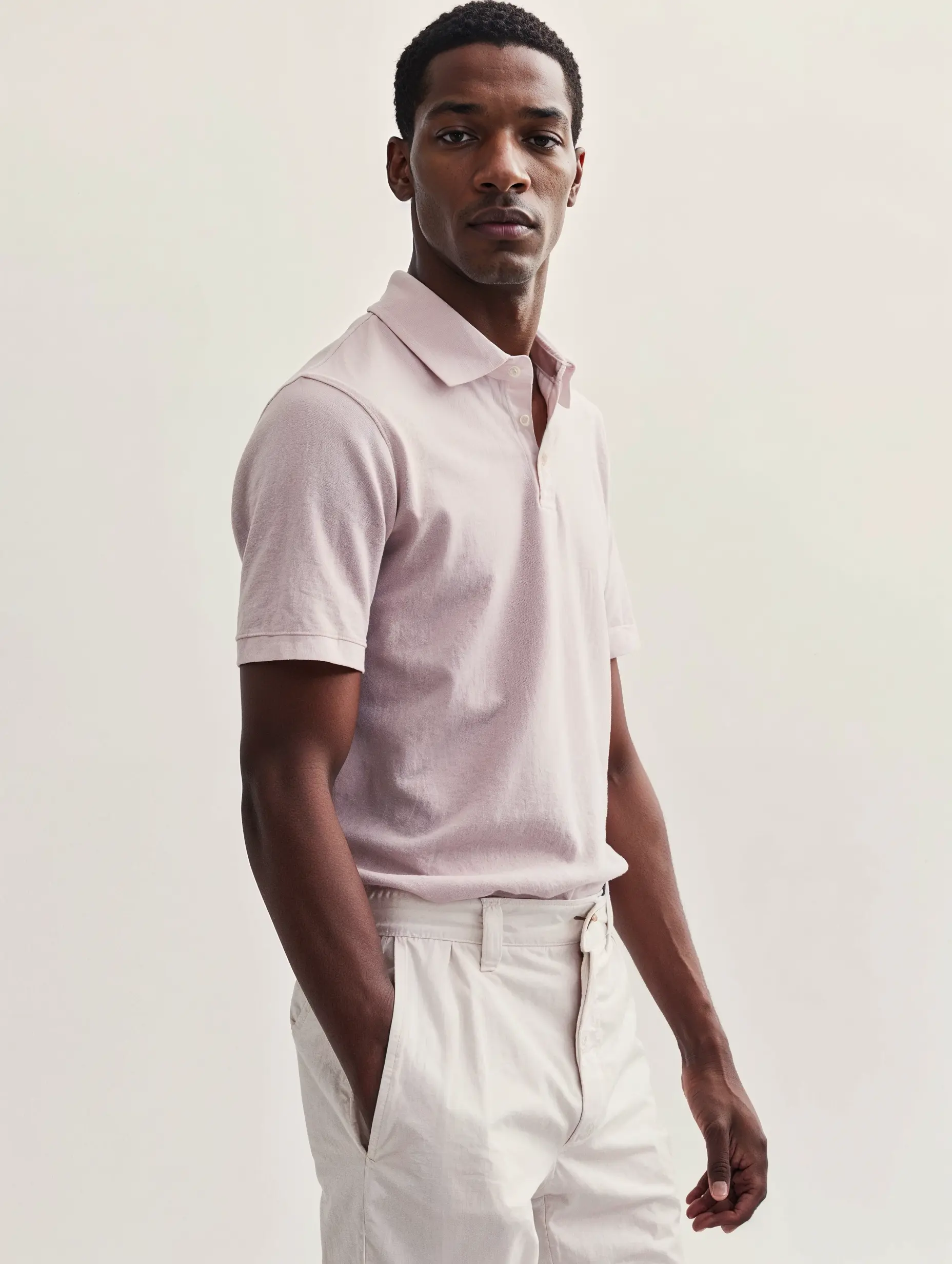
Applications Across the Fashion Industry
E-commerce Product Photography: AI excels at creating consistent, high-quality product images for online stores, allowing brands to visualize products on diverse models without multiple photoshoots.
Campaign Imagery: Brands can create editorial-quality campaign visuals with AI, exploring creative concepts that would be logistically challenging or impossible with traditional photography.
Social Media Content: The scalability of AI allows brands to generate diverse content optimized for different social platforms, maintaining a consistent posting schedule without continuous photoshoots.
Seasonal Updates: When new seasons arrive, brands can quickly visualize existing products in new contexts or with seasonal styling, extending the lifecycle of their catalog.
Ethical Considerations and Best Practices
Transparency: Brands should be transparent about their use of AI-generated imagery, maintaining consumer trust while showcasing technological innovation.
Diversity and Representation: AI offers unprecedented opportunities to showcase products on diverse virtual models, but brands must ensure this diversity is implemented thoughtfully and authentically.
Data Security: When working with AI fashion technology partners, brands should prioritize providers who maintain strict data security protocols and don't use client imagery for public model training.
The Future of AI Fashion Photography
As we move through 2025, AI fashion photography technology continues to advance rapidly. We're seeing developments in several key areas:
Video Generation: AI is expanding beyond static images to create fashion videos and animations, opening new possibilities for dynamic content.
Personalization: Advanced AI can generate images showing products on models that resemble individual customers, creating personalized shopping experiences.
Real-time Generation: Soon, brands will be able to generate AI fashion imagery in real-time, enabling interactive experiences and immediate content creation.
Conclusion
AI fashion photography represents a paradigm shift in how brands create visual content. By combining the efficiency and scalability of artificial intelligence with human creative direction, fashion brands can produce sophisticated imagery that drives engagement and sales while reducing costs and environmental impact.
The most successful implementations will be those that view AI not as a replacement for human creativity but as a powerful tool that expands creative possibilities while still requiring expert guidance to achieve meaningful, purposeful results.
As the technology continues to evolve, brands that embrace AI fashion photography now will gain a significant competitive advantage in visual content creation, positioning themselves at the forefront of fashion's digital transformation.